
Updates
Public Interest Groups Take On Newsom Administration Over Backtracking On Cleanup Of Radioactivity At Santa Susana Site
Victory in Sacramento: CBG and other Groups Block Attempt to allow New Nuclear Power Plants in California
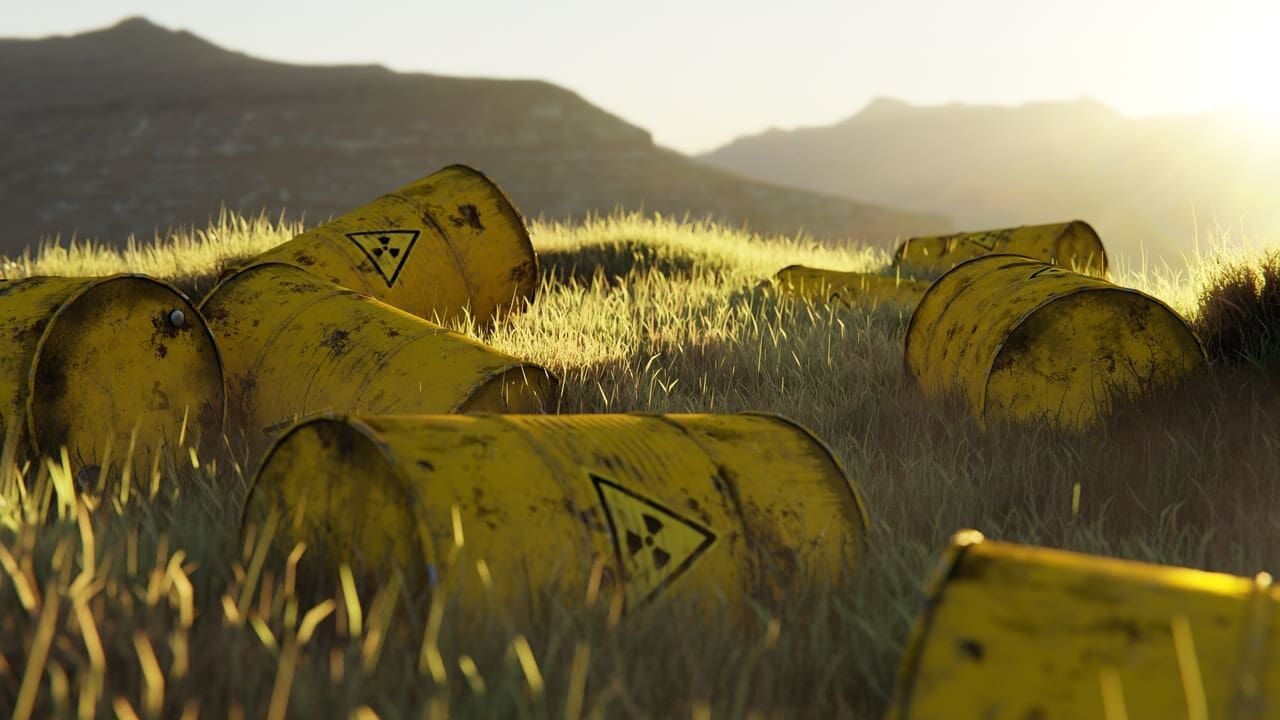
Nuclear Waste: Victories & Challenges
Radioactive contamination is creeping into drinking water around the U.S. (Ensia)
Radioactive Waste Fell On Some LA-Area Neighborhoods During 2018 Woolsey Fire, New Study Shows (NBC)
Dan Hirsch radio interview on KTRC Santa Fe
Nuclear Waste Overview
The problem of what to do with the extraordinarily dangerous and long-lived wastes produced by nuclear fission has perplexed society since the first reactor wastes were produced on December 2, 1942, the day an atomic “pile,” composed of graphite and uranium slugs, went critical in a converted squash court at the University of Chicago. More than seventy years later, despite repeated protestations of confidence by regulators that a solution would soon be found, we still have no method for disposing of the high-level wastes (HLW) produced by nuclear power plants, each enormously larger than that first device for releasing the power of the atom. And more nuclear waste is produced every day.
Perhaps no issue raises more serious questions of inter-generational ethics than whether we should continue to create such extraordinarily hazardous wastes without a solution to their safe disposal. The plutonium-239 in HLW, for example, is one of the most toxic substances on earth; a few millionths of an ounce if inhaled will cause cancer with virtual 100% statistical certainty. Yet we must find a way to successfully isolate from the environment hundreds of metric tons of plutonium for its hazardous life—about half a million years.
Our society reaps the benefits of these atomic power plants: roughly fifty years of electricity. But thousands of generations to come may pay the price if even a small fraction of the radioactive waste contaminates water, soil, or air over the time period for which it is dangerous. We get fifty years of power; they get 500,000 years of radioactive waste.
Yet those who may bear the burden of our mistakes neither will have benefited from the power nor had any say in the decisions that may so severely impact their environment. Those who will be adversely affected have not yet been born. They cannot submit comments on draft environmental impact statements or proposed rulemakings; they cannot vote for elected officials who set policy and appoint or confirm key decision-makers; they cannot file suit in an effort to defend their interests. The choices we make today can harm in grievous ways many, many generations to come who will have had no voice in those hugely impactful decisions.
Currently the United States has no solution to the nuclear waste we have been producing since the 1950’s and we are still producing thousands of metric tons per year.