
Updates
CBG Comments on Weakened Federal Radiation Standards

Act Now: Help Stop Radioactive Pollution
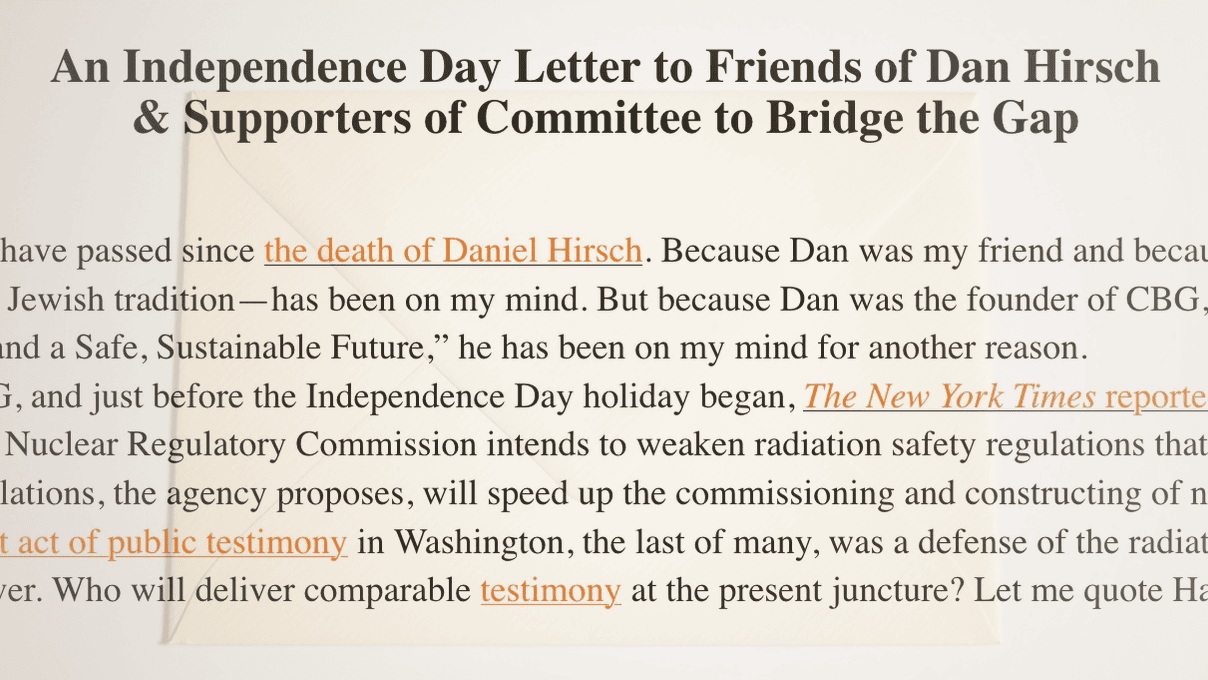
An Independence Day Letter from CBG Board Chair Jack Miles
No Radioactive Communities Webinar
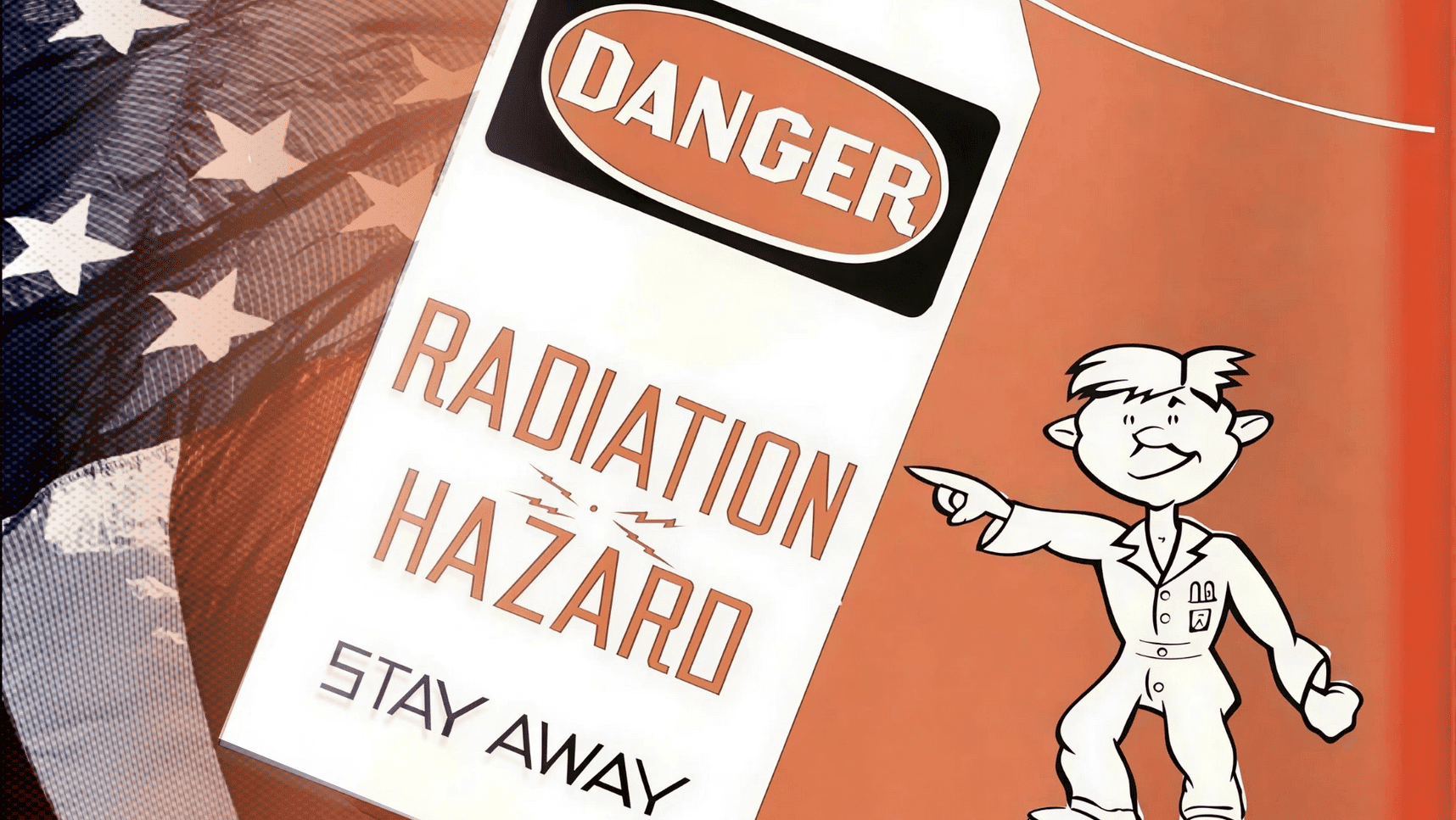
President Trump’s radical attack on radiation safety
Elevated radiation detected at former Bay Area landfill turned art park (LA Times)
More Reading


Radiation, both from natural processes and Man-made, is known to be harmful for human health
The US government has standards in place to protect the population from these harms, but currently there are efforts to weaken these standards.
Low-level radiation increases the risks of developing negative health outcomes down the line, not immediately, so there are multiple models for determining health harms for radiation at low levels. One model is called the Linear No-Threshold (LNT) model, which states that the health risks from radiation increase proportionally as the level of radiation increases. LNT is simple to explain: the more radiation you’re exposed to, the higher your risk of developing cancer – and there is no threshold below which there is no risk: even the tiniest dose of radiation creates some risk of cancer. LNT has been at the core of radiation protection standards for many decades, and has been repeatedly reassessed and reaffirmed by the world’s leading radiation science institutions, including the National Academies of Science, Engineering, and Medicine, the International Commission on Radiological Protection, and even the United State’s Nuclear Regulatory Commission (NRC).
Yet despite all this, opponents of LNT prefer other models, which would allow the public to be exposed to higher levels of radiation exposure. And even using the LNT model, the US government has a long history of underestimating radiation risks, and setting standards too weak. The more scientists have learned about low-dose radiation, the more their estimates of the risk per unit dose have tended to increase, yet the NRC has not updated in step with the science.
Reports
EPA Issues New Protective Action Guides for Radioactive Releases Extraordinarily Weakening Public Protections, Committee to Bridge the Gap, April 2013.
Proposed Relaxation of EPA Drinking Water Standards for Radioactivity, Committee to Bridge the Gap, October 2008.
Published Articles
Presentations
July 20, 2020 - Comments by CBG, PSR-LA, and Natural Resources Defense Council on NRC's Proposed Interpretative Rule on Transfer of Very Low-Level Waste to Exempt Persons for Disposal.
September 20, 2017 – Comments by the Committee to Bridge the Gap on the Department of Toxic Substances Control’s Proposed Regulations for Toxicity Criteria for Human Health Risk Assessment – DTSC Reference Number R-2016-8 – DTSC Toxicity Criteria Excel Sheet Comparison (pdf).
December 22, 2015 – Proposed Amendments to EPA Protective Action Guidance (RIN 2060-ZA19) by Physicians for Social Responsibility, Committee to Bridge the Gap, and others. Read our post on the subject here.
November 19, 2015 – CBG & Other Organizations Oppose Petitions to NRC to Relax Radiation Protections and Declare Radiation Good For You
August 3, 2014 – Group letter on Environmental Radiation Protection Standards for Nuclear Power Operations – Advance Notice of Proposed Rulemaking Docket, Docket ID No. EPA-HQ-OAR-2013-0689
September 16, 2013 – Re: Protective Action Guides for Radionuclides (Docket ID No. EPA–HQ–OAR–2007–0268), signed by over 100 groups including CBG.
April 15, 2013 – EPA Dramatically Weakens Radiation Protections
Summary of EPA Protective Action Guides by CBG
Letter criticizing National Council on Radiation Protection (NRCP) and Measurements guide for relaxing radiation protections, being sent to NCRP from many groups including CBG
Decision Making for Late-Phase Recovery from Nuclear or Radiological Incidents Critique of NCRP by CBG, NIRS, PSR-LA, and SCFS
February 11, 2013 – DOE Proposes Unrestricted Recycling of Radioactive Metals Into Consumer Goods, CBG’s letter to the Department of Energy